Choosing the Right Timepiece: A Guide to Decorative Clocks and Vintage Wooden Mechanical Designs
Selecting a wall clock or mantel piece often involves balancing aesthetic appeal with functional reliability. Among the myriad options available, the decorative clock category offers a wide spectrum of styles, from ultra-modern digital displays to ornate classical designs. However, a specific subset has garnered significant attention from interior design enthusiasts and collectors alike: the vintage wooden mechanical timepiece. Understanding what distinguishes these items from mass-produced alternatives is essential for anyone looking to invest in a piece that serves both as a functional tool and a statement of style.
When we refer to a vintage wooden mechanical clock, we are describing a device that relies on a system of gears, springs, and weights to keep time, housed within a casing crafted primarily from wood. Unlike quartz clocks, which use a battery and an electronic oscillator, or smart clocks that sync via Wi-Fi, mechanical clocks operate through pure physics and craftsmanship. The "vintage" aspect often refers to the design language—featuring distressed finishes, carved details, and warm timber tones—even if the piece is a modern reproduction. This combination creates a distinct presence in a room, offering a tactile and auditory experience that electronic devices simply cannot replicate.
Distinguishing Features and Design Elements
The primary allure of a decorative clock in this style lies in its construction and movement. A genuine mechanical movement requires regular winding, usually once every eight days or daily, depending on the mechanism's complexity. This interaction transforms the clock from a passive object into an active part of the household routine. The sound of the ticking and the occasional chime on the hour provide an auditory backdrop that many find soothing, though it can be a consideration for those who prefer silence.
Visually, the vintage wooden mechanical aesthetic is characterized by natural materials. Common woods include oak, walnut, mahogany, and pine, often treated with stains or paints to achieve an aged look. The dial faces typically feature Roman numerals or stylized Arabic numbers, with hands made of metal that may show signs of intentional patina. In contrast, standard decorative clocks found in big-box stores often utilize plastic casings painted to resemble wood and quartz movements that tick once per second with a sharper, more abrupt sound. The difference in quality is immediately apparent upon closer inspection; the weight of the wood and the smooth sweep of mechanical hands signal a higher tier of craftsmanship.
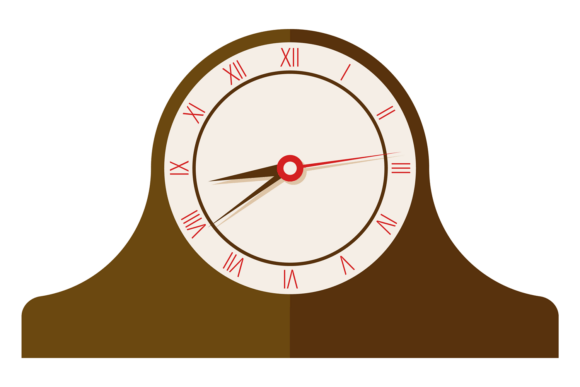
For designers and homeowners evaluating options, it is important to note that these pieces are often sold as high-resolution assets for digital projects as well. You might encounter terms like "vintage wooden mechanical timepiece icon isolated on white background" when searching for graphics. These digital representations, available in formats such as EPS, JPG, SVG, and transparent PNG, allow architects and graphic designers to visualize how a physical clock would fit into a rendered space or a marketing layout before making a purchase. While the digital icon helps in planning, the physical product offers a depth and texture that no file format can fully capture.
Comparing Mechanical Options with Modern Alternatives
When deciding between a decorative clock with a mechanical movement and a modern quartz or smart alternative, several trade-offs emerge. The most significant factor is maintenance. A vintage wooden mechanical clock demands attention. It must be wound, leveled correctly to ensure accurate timekeeping, and occasionally serviced by a professional to lubricate the gears. If you value a "set it and forget it" approach, a battery-operated quartz clock is undeniably more convenient. Quartz models can run for a year or more on a single battery and are generally more accurate over short periods without adjustment.
However, the trade-off for convenience is often character. Mass-produced quartz clocks, while functional, frequently lack the soul of their mechanical counterparts. They are prone to looking generic, with uniform plastic molds that fail to add warmth to a room. A vintage wooden mechanical piece, even if it loses or gains a minute a week, serves as a conversation starter and a focal point. It suggests an appreciation for tradition and engineering. For living rooms, studies, or libraries where atmosphere is paramount, the mechanical option is usually the superior choice. Conversely, for kitchens, bathrooms, or offices where precise timing and low maintenance are priorities, a modern quartz or digital alternative may be the more practical solution.
Another comparison point is durability and longevity. High-quality mechanical movements are designed to last for generations. With proper care, a wooden mechanical clock can become an heirloom. Electronic components in modern decorative clocks, however, have a finite lifespan. Circuit boards can fail, and batteries can leak, potentially damaging the unit. When evaluating the long-term value, the initial higher cost of a mechanical piece is often offset by its potential to outlast several cheaper electronic units.
Ideal Use Cases and Placement Strategies
Determining where to place a decorative clock depends heavily on its size and the noise level of its mechanism. Large grandfather-style clocks or substantial wall-mounted vintage wooden mechanical pieces work best in spacious areas with high ceilings, such as entryways, dining rooms, or large living areas. The resonance of the chimes needs room to dissipate; placing a loud striking clock in a small bedroom or a home office might prove distracting during work or sleep.
For smaller spaces, consider a mantel clock or a shelf-sitting variant. These retain the aesthetic benefits of the vintage wooden mechanical style but on a scale that fits intimate settings. When integrating these into a modern interior, the key is contrast. Placing a rustic, dark wood clock against a clean, white wall or amidst minimalist furniture creates a striking visual anchor. This juxtaposition highlights the craftsmanship of the clock while preventing the room from feeling dated.
It is also worth considering the lighting in the room. Wood absorbs light differently than glass or metal. A decorative clock with a dark walnut finish may disappear in a dimly lit corner, whereas a lighter oak or distressed white finish will reflect ambient light and remain visible. Ensuring the clock face is legible from a distance is crucial for functionality, so avoid placing it behind glare-prone glass cabinets or in shadows.
Evaluation Criteria for Buyers
Before purchasing, buyers should assess several critical factors to ensure they are getting a quality product. First, examine the movement type. Is it a true mechanical movement, or is it a "quartz with mechanical look"? Some manufacturers install battery-operated modules inside wooden cases to mimic the appearance of a mechanical clock without the functionality. While these are valid decorative clock options, they should be priced and evaluated differently than genuine mechanical pieces.
Second, inspect the joinery and finish of the wood. High-quality vintage wooden mechanical clocks will feature solid wood or high-grade veneers with tight joints. Avoid pieces where the wood feels hollow or where the grain pattern repeats obviously, indicating a low-quality print rather than real wood. The back of the clock should also be finished neatly, with accessible winding holes and a sturdy hanging mechanism.
Finally, consider the source of your information and visuals. If you are designing a space digitally, utilizing assets like a vintage wooden mechanical timepiece icon isolated on white background in EPS, JPG, SVG, or transparent PNG formats can help you experiment with scale and placement. These files provide clarity on the silhouette and proportions of the clock. However, always cross-reference these digital icons with real-world dimensions and user reviews of the physical product to ensure the actual item matches your expectations.
Making the Final Decision
Ultimately, choosing a decorative clock is a personal decision that balances lifestyle needs with aesthetic desires. If you enjoy the ritual of winding a clock, appreciate the steady rhythm of a ticking gear, and want a piece that adds historical weight to your decor, a vintage wooden mechanical timepiece is an excellent investment. It offers a tangible connection to the past and a level of artistry that stands out in a world of disposable electronics.
On the other hand, if your priority is absolute precision, zero maintenance, and silent operation, modern alternatives may serve you better. There is no single "correct" answer; the best choice depends on how you interact with your environment. By understanding the distinctions between mechanical and quartz movements, recognizing the value of quality materials, and realistically assessing your willingness to maintain the device, you can select a timepiece that not only tells the time but also enhances the character of your home.